
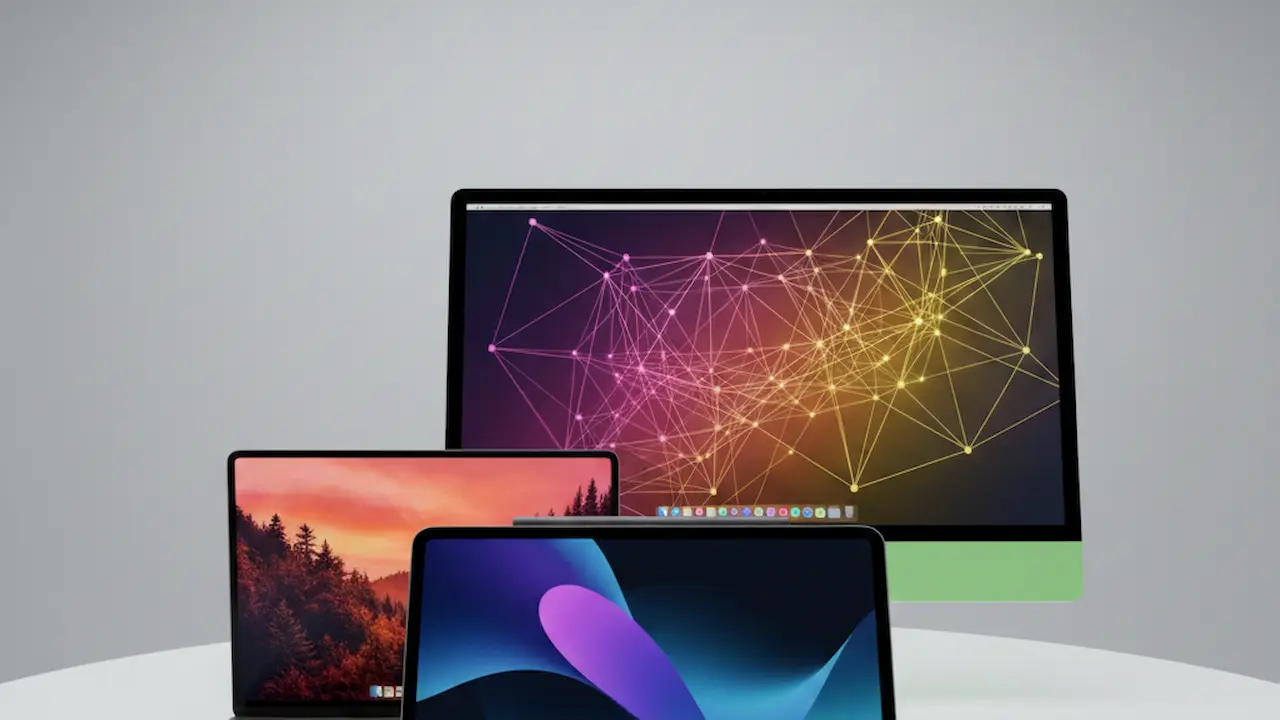
Apple is preparing for a massive visual transformation across its hardware lineup, with the latest Apple OLED Roadmap revealing that several iconic devices will soon transition to advanced screen technology. While the iPad Pro has already set the gold standard with its vibrant display, a conceptual shift toward organic light-emitting diodes is now extending to the iPad mini, MacBook Pro, and even the iMac. This strategic move aims to deliver deeper blacks and richer colors to more users, ensuring that the signature visual experience previously reserved for the “Pro” tablets becomes the new norm for the entire ecosystem.
A New Era for the Compact iPad and Pro Laptops
The upcoming transition marks a pivotal moment for fans of smaller tablets and high-performance laptops. According to the latest reports, the first major change in the Apple OLED Roadmap will likely focus on the iPad mini. Expected as early as 2026, the iPad mini 8 is rumored to ditch its traditional LCD for a stunning 8.7-inch OLED panel. This upgrade won’t just improve the picture quality; it’s also expected to come with a more durable, water-resistant design and a vibration-based speaker system. This signifies a major leap for the mini series, which has often felt like a secondary priority in past update cycles.
At the same time, the professional laptop segment is gearing up for its own revolution. The MacBook Pro, currently using mini-LED technology, is slated for an OLED makeover in late 2026 or early 2027. This isn’t just about the screen; the redesigned 14-inch and 16-inch models are rumored to be even thinner and lighter, potentially featuring touchscreen capabilities for the first time in Mac history. This integration of touch and high-end display tech is a core pillar of the Apple OLED Roadmap, promising a more versatile experience for creative professionals.
Future Timeline for Mac and iPad Models
The rollout of these screens is being carefully paced to manage production costs and supply chain logistics. While some devices are arriving soon, others require a longer wait:


- iPad mini (2026): Expected to be the next tablet to transition after the Pro models.
- MacBook Pro (2026/2027): Anticipated to feature M6 chips and a significant chassis redesign.
- iPad Air (2027): Likely to adopt the technology after the 2026 refresh stays with LCD.
- iMac (2027/2028): A 24-inch version is reportedly in testing with an OLED panel.
- MacBook Air (2028): The most popular Mac laptop will likely be the last to switch from LCD.
Visual Excellence Across the Desktop and Portable Lineup
The long-term vision of the Apple OLED Roadmap includes bringing premium display quality to the desktop. Evidence suggests that even the iMac is on the list for a display overhaul. Reports indicate that a 24-inch iMac with an OLED screen is being developed for a launch sometime in 2027 or 2028. This would mark the end of the traditional LCD era for Apple’s all-in-one desktop, providing home users and office workers with the same high-contrast, energy-efficient visuals found on the latest iPhones and high-end iPads.
Furthermore, the Apple OLED Roadmap highlights the move toward “Tandem OLED” structures. This technology, already present in the M4 iPad Pro, uses two layers of pixels to increase brightness and longevity—a critical factor for devices like MacBooks that are often used for many hours a day. By implementing this in the MacBook Pro and potentially the iMac, the tech giant is addressing concerns about screen burn-in and durability that have historically plagued organic display panels.
| Device Name | Expected Launch Year | Display Technology Type |
| iPad mini 8 | 2026 | Single-stack OLED |
| MacBook Pro (14″ & 16″) | Late 2026 / 2027 | Tandem OLED / Touchscreen |
| iPad Air | 2027 | Hybrid OLED |
| 24-inch iMac | 2027 / 2028 | Rigid OLED |
| MacBook Air | 2028 | Single-stack OLED |
Balancing Innovation and Consumer Pricing
One of the most discussed aspects of the Apple OLED Roadmap is the potential impact on the wallet. Moving away from LCD and mini-LED panels is a costly endeavor. For instance, the transition for the iPad mini could see a price hike of approximately $100, moving it further into the premium price bracket. Similarly, the OLED MacBook Pro models are expected to be priced higher than current versions, especially given the addition of touchscreen layers and thinner frames. Apple is clearly prioritizing quality, but it remains to be seen how the broader market will react to these premium price tags.
As the Apple OLED Roadmap unfolds, it becomes clear that the company is aiming for total visual consistency across its hardware. By 2028, almost every major portable and desktop product in the catalog is expected to have moved away from legacy screen tech. This massive shift ensures that whether you are editing a video on a MacBook Pro or browsing the web on an iPad mini, the depth of color and clarity will be unmistakably top-tier.


Why the Shift Matters for Users
The benefits of following the Apple OLED Roadmap go beyond just “better colors.” Users can expect several functional improvements:
- Enhanced Battery Life: These panels are more power-efficient when displaying dark content.
- Thinner Designs: Removing the backlight allows for slimmer device profiles.
- True Blacks: Perfect for watching movies or working in dark mode without “blooming” effects.
- Faster Response Times: Great for smoother animations and better gaming experiences.
The Apple OLED Roadmap serves as a blueprint for the future of mobile and desktop computing. While the wait for some models like the MacBook Air might feel long, the gradual rollout ensures that the technology is perfected before reaching the most popular consumer devices. As we move closer to 2026, the excitement for these crystal-clear displays continues to build, promising a more vibrant future for every Apple user.
